

It can be hard to tell when your dog is bored, especially because every dog responds to boredom in a different way. Some breeds have skyhigh energy and need a lot of stimulation, while others are pretty content to nap most of the afternoon. Recognizing boredom and figuring out how to help your dog feel engaged really gives their happiness a boost and cuts down on problem behavior. Here’s what I watch for with my own dog and what I’ve learned from working with different breeds over the years.
Understanding Your Dog’s Breed: Some Just Need More

Breed plays a big part in how likely your dog is to get bored. Dogs bred for work, like Border Collies, Australian Shepherds, Labradors, and German Shepherds, have loads of mental and physical energy that needs an outlet. If they’re cooped up or left alone too long, this type of dog is way more likely to invent their own fun, and it might not be your idea of fun at all.
Other breeds (think Bulldogs or Basset Hounds) tend to be more relaxed and chill, but that doesn’t mean they never get bored. They just show it in quieter ways. Understanding your dog’s natural tendencies makes a huge difference in spotting boredom early. I like looking up the background and common behaviors for any dog I’m caring for, just to make sure I know what common needs are. You might be surprised by how much energy a mostly calm looking dog can have once they’re comfortable in your home.
- HighEnergy Working Breeds: Need a lot of mental and physical engagement every day.
- LowEnergy Companion Breeds: Still benefit hugely from routines and occasional new experiences.
- Mixed Breeds: Can fall anywhere in between; watch your individual dog to figure out their needs.
Boredom Behaviors: How Mischief Tells the Story

Bored dogs often find ways to entertain themselves, and that usually means getting into things they shouldn’t. If I notice my dog sniffing in unusual areas of the house, chewing on non-dog toys, peeing on the carpet, or following me around the house whining, I always take a step back and think about whether their basic needs have been met for the day. Here are common signs I check for:
- Chewing and Destruction: Lots of chewed up stuff or shredded objects lying around.
- Excessive Barking or Whining: More noise than usual, especially at nothing in particular.
- Restlessness or Pacing: Nonstop movement, pacing the floors, or staring out the window.
- Trying to Escape: Digging under fences or scratching at doors when left alone.
- AttentionSeeking: Pawing, nudging, or stealing things to get you to react.
Sometimes it can look more subtle, like licking their paws or staring off into space with a little sigh. Not all dogs act out in obvious ways when bored. Picking up on these early is pretty handy, since it’s a chance to mix things up before any real mischief starts.
People Engagement: Why Your Dog Wants More Than Just Company
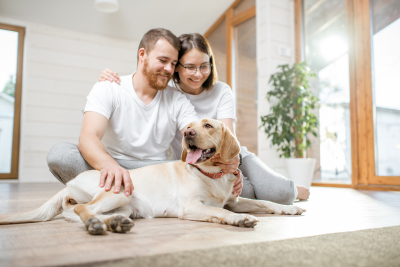
Dogs are super social, and spending time with their people is one of the best ways to keep them happy. If everyone in the house is busy, out, or distracted, dogs often get bored and lonely. I’ve noticed this especially with dogs left alone a lot during the day. They tend to greet people with out-of-control excitement, or sometimes they act totally withdrawn.
Even if you’re home, it helps to check in with your dog throughout the day. Simple things like belly rubs, a quick game, or a chat in the kitchen can break up boredom. Rotating responsibility among family members for dog walks, playtime, or even training sessions keeps things fresh for both people and pups.
If your dog is home alone for several hours, leaving on some music, puzzle toys, or a window perch for watching outside keeps things a little more interesting. Even better, schedule dog walking services with a local company.

If you’re based in Chicago, we recommend Green Paws Chicago for compassionate, professional dog walking. They’re a trusted local service that helps your dog stay active and social even while you’re away.
(When signing up, don’t forget to mention Chicago Urban Pets to support the blog and help us continue creating helpful content.)
Daily Structure: How Routine Can Beat Boredom
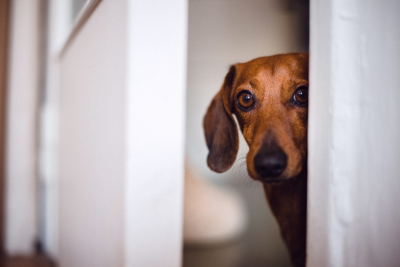
Dogs really do better with some kind of structure in their day. Knowing when meals happen, when they’re going on a walk, or when playtime is helps them settle in and look forward to the next thing. I’ve set up a general routine for my own dog, and I see a big difference in how content he is—less pacing, way less whining.
- Consistent Mealtimes: Helps dogs know when to expect food and keeps hunger from becoming a distraction.
- Scheduled Walks: Gives them a mental timer for when excitement is coming up.
- Regular Play Sessions: Even if it’s just ten minutes twice a day, this makes your dog feel seen and engaged.
- Training Windows: Short bursts of training (like five minutes in the evening) are fun for most dogs and make their brains work.
On top of these basics, I like to throw in something surprising. A new bone to chew, or a walk in a new part of the neighborhood will break up any monotony. Little changes keep daily life fun, not just predictable. If you have kids, you can also have them take turns picking small games or tricks to try with the dog—it keeps both your child and your pup on their toes.
Fun Ways to Bust Boredom at Home
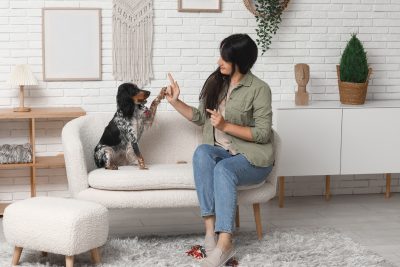
If my dog seems bored, I’ll try a couple of fresh activities right at home. These are some simple ideas I’ve used that might also work for you:
- Puzzle Feeders and Treat Toys: Keep your dog mentally engaged by encouraging them to work for their food or treats.
- Roughhousing: Spend some time on the floor with your dog, using your body and movement to engage in playful interaction.
- Toy Play: Play together using your dog’s favorite toys, such as tug toys, balls, or stuffed toys.
- Training: Spend 5 to 10 minutes practicing simple cues like Touch, Sit, Down, and Stay. (You can find plenty of helpful training videos on YouTube.)
- Cuddles: Spend quiet time together, petting your dog in the places they enjoy most.
Anything that mixes up their brain and body together, like learning a new trick or playing a toy, can totally flip a bored mood into a happy one. Even when the weather’s bad or schedules are busy, these options keep things interesting without needing to leave the house. Try a rotating “dog day” in your family, where a different person plans a special treat or activity for your pup each week—it builds memories and keeps your dog guessing in a good way.
Frequently Asked Questions About Dog Boredom

How much playtime does my dog really need?
Some highenergy breeds need up to two hours of exercise and structured play every day, while more laidback breeds do fine with much less. Watch your dog’s energy for clues. If they seem restless after a walk, bump it up a bit, and don’t hesitate to break that time into shorter, more frequent sessions—more variety is often better.
My dog has lots of toys. Why is he still bored?
Variety AND connection is key. The way you use toys matters as much as the toys themselves. Don’t forget that some dogs like to play with their people more than playing solo, so be sure to jump in and play together.
Isn’t it enough to just let my dog out in the yard?
Most dogs need more than just yard time to feel engaged. New smells, walks to different places, and human interaction are just as important as room to run. A change of scenery, even if it’s just a block or two, can give your dog a boost and wear them out mentally as well as physically.
What if my dog gets bored while I’m at work?
Leaving food puzzles, safe chew toys, or even background noise like talk radio can help. If it’s possible, hiring a dog walker or asking a neighbor to stop by breaks up long days. Keeping the window shades open so your dog can look out, or even using pet cameras so you can say hello, can help your dog feel less isolated and more engaged.
Can boredom look like separation anxiety?
Sometimes, yes. Boredom and separation anxiety can show up with similar symptoms like chewing, escaping, and barking. If you’re not sure which it is, a trainer or vet can help you sort it out and offer ideas for both prevention and solutions.
Keeping Your Dog Happy: My Go-To Tips
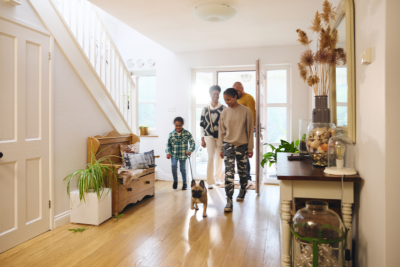
Boredom happens, even with the best routines, so I like to always have a few ideas in my back pocket. Changing up walks, teaching little tricks, or simply sitting together with a chew toy all help keep things fresh. For most dogs, a mix of physical and mental challenges creates the best days. If you notice boredom creeping in, don’t hesitate to tweak your routine—sometimes the smallest change makes the biggest difference.
By staying in tune with your dog’s breed, being aware of their behavior, getting the whole household involved, and creating a handful of daily rituals, you can dodge a lot of the problems that come from boredom. Every dog is different, so I watch for what sparks excitement or calm in my own pup, and adjust along the way. Not only will you cut down on furniture destruction and late night whining, but you’ll also have a happier, more relaxed friend by your side every day. Remember, a little creativity and connection goes a long way toward keeping your pup’s tail wagging and their boredom at bay.