
Disclosure: Some articles on this site may contain affiliate links, meaning, at no additional cost to you, Chicago Urban Pets may earn a commission if you click through and make a purchase. As an Amazon Associate we earn from qualifying purchases.
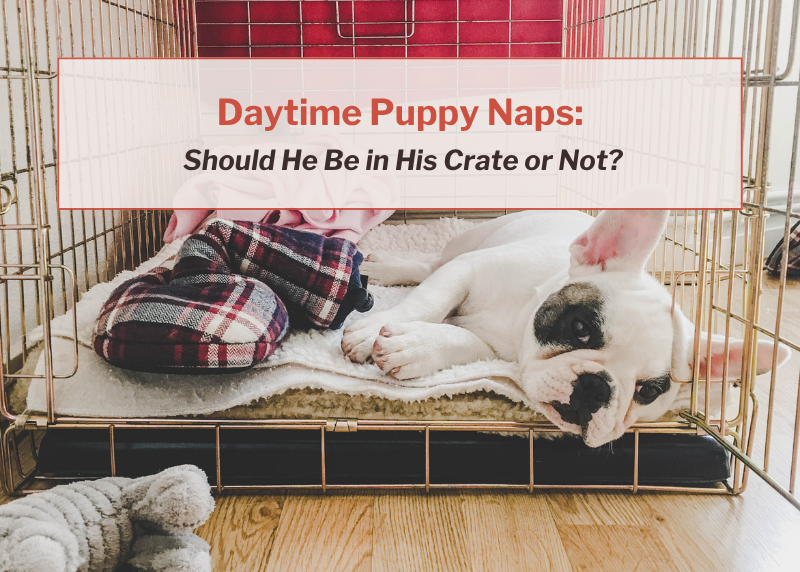
Bringing home a new puppy is full of joy, cuddles, and a million questions. One of the most common questions new dog owners ask is: Should my puppy nap in his crate during the day? Many associate crates with bedtime only, but daytime use can offer structure, comfort, and critical support during this important development stage
We get it—you want to do what’s best for your furry new family member. Some worry that crating their pup too often might feel restrictive or lead to anxiety or social isolation. Others wonder if it’ll help their dog adjust better. This guide will walk you through the benefits and potential drawbacks of crate napping, what science and trainers recommend, and how to set your pup up for cozy, safe daytime sleep. We’ll also cover what to do when your dog whines in the crate, how long puppies can be crated during the day, and when it’s time to transition out of crate naps.
Why Crate Training Matters for Daytime Naps
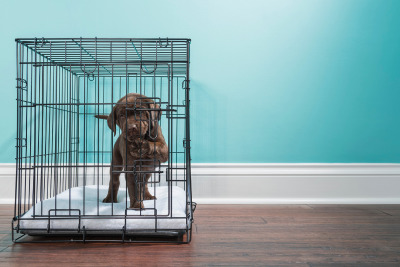
Daytime crate training provides far more than a temporary rest spot—it’s a structured tool that supports emotional development, routine, and potty training. When puppies have a positive experience with crating, they understand the crate is a safe place, they’re less likely to resist it later. Consistently using the pappy’s crate for nap times allows your dog to rest without being overstimulated and builds their sense of independence, which is a good thing.
The role of crate training in puppy development
Crate training isn’t just about bedtime—it plays a big role in helping puppies feel secure in new environments. Dogs are naturally den animals, and a crate can mimic that den-like experience. With proper introduction and positive reinforcement, your puppy will come to see the crate as a safe place to nap and relax during the day. Crate training also lays the foundation for healthy puppy sleep habits and long-term independence.
Teaching independence and routine
Allowing your puppy to nap in the crate during the day helps them develop independence with their sleep schedule. It teaches them that being alone isn’t scary and that rest time is part of their daily rhythm. This is especially useful if you eventually need to leave your pup alone during the workday. Short periods in the crate promote calm, quiet time and make naps more restful. Having a consistent routine is one of the best things you can do to support your pup’s early training.
Should You Crate Your Dog While at Work? Pros & Cons Explained breaks this down further.
Positive associations make the crate a safe space
When introduced gradually with treats, interactive toys, and soft bedding, your puppy learns to associate the crate with comfort. It becomes their personal quiet zone, free from distractions and overstimulation. A comfortable bed inside of the crate helps your pup settle in more easily and view the area of your house as their safe haven.
Crates support easier potty training
Here’s a huge bonus: puppies instinctively avoid eliminating where they sleep. That’s why crates are so effective for potty training. When your puppy naps in their crate, it’s easier to monitor when they wake up and take them directly outside for potty time—avoiding accidents and building good behavior. Timing potty breaks with crate time also reinforces a consistent schedule and makes house training smoother. Plus, using a closed crate helps contain your pup for shorter time periods during the day.
Crating after meals or playtime makes it easier to predict potty time. For small breeds, check out these 10 expert tips on potty training.
Crate vs. Dog Bed: Where Should a Puppy Nap?
Choosing between a crate and a dog bed for puppy naps depends on your dog’s age, training progress, and your home setup. For young puppies, crates offer a more structured environment to support nap quality and potty training. However, supervised dog beds in the living room or other quiet areas of your home can also play a part in helping your puppy feel comfortable during the day.
Pros and cons of using a dog bed outside the crate
Dog beds outside the crate are soft, accessible, and may feel more flexible. However, they don’t provide the same structure or containment. Puppies may be more tempted to wander, chew, or have accidents when napping outside the crate, especially in a new home. This is especially true for young puppies who are still adjusting to their nap times and sleep schedules. However, opting for a playpen with a dog bed can sometimes be a great way to offer out-of-crate naps, assuming your pup eats in there as well. If the pen is on the smaller side, you could likely have them sleep in the pen without a potty accident upon waking up.
Comparing nap quality and safety in each setup
Crates help minimize distractions and can improve nap quality, especially in busy households. They also keep curious pups safe when unsupervised. That said, a dog bed can be a nice option for supervised naps when you’re nearby. Make sure the sleep environment is calm and your puppy has had enough exercise and mental enrichment before nap time.
Mixing both for flexibility—what to know
Using both options works well for many families. Reserve the crate for solo napping and quiet time, and let your puppy lounge on a bed during cuddly or supervised moments. The goal is balance—not strict rules. Just ensure any dog bed you use is located in a quiet place to support proper rest and is easy to clean. The living room can be a great place for supervised naps.
Creating a Cozy and Inviting Crate Space
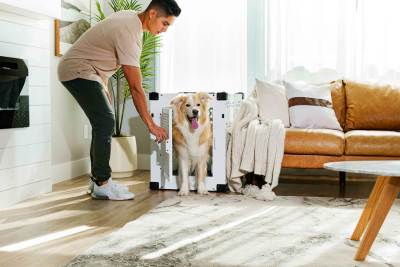
Your puppy’s crate should feel like a comfortable space, not a confinement. Creating a cozy, welcoming small space encourages them to see it as a positive part of their routine. From the right crate size to soothing crate covers and familiar toys, every detail adds comfort and reinforces good experiences.
The importance of comfort and security
Your puppy is more likely to enjoy their crate if it feels warm and welcoming. Think of it as their bedroom—a place they look forward to spending time in. Choose a dog crate that’s the right size—not too big, not too small. Crates come in many different sizes, including metal crates, which allow good airflow.
Amazon Basics 24-Inch Folding Metal Dog Crate
Amazon Basics Two-Door Pet Travel Carrier
What to include: crate mat, soft blanket, familiar toys
Line the crate with a soft, washable crate mat or pad. Add a cozy blanket, a soft toy, and a chew-safe favorite toy. Items with your scent, like a worn t-shirt, can also help comfort new pups, especially on their last night away from their litter. A Snuggle Puppy can also help mimic the feeling of sleeping near littermates.
Making the crate feel like a den—not a jail
Covering part of the crate with a breathable crate cover can give it a snug, den-like feel. Be sure there’s enough airflow and light during the day. Avoid using the crate as punishment to maintain a positive association with the space. And keep the crate door open when you’re home to let your pup explore freely.
MidWest Homes for Pets 24-Inch Crate Cover
HOMBYS Dog Crate Bumper and Mat
When and How Long Should Puppies Nap in Their Crates?
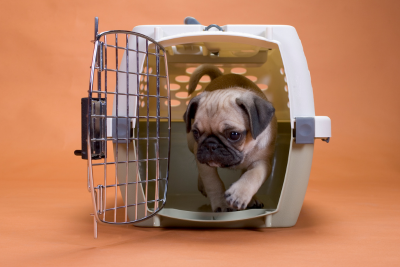
Puppy nap schedule by age
Puppies need a lot of time to rest—up to 18–20 hours a day for very young pups. Typically, they’ll nap every 1–2 hours in the early months. As they grow, naps become more consolidated. Crate naps can help enforce a regular rhythm and support the training process. Always make sure you are giving your puppy lots of potty breaks before and after their crate naps!
How long is too long for a crate nap?
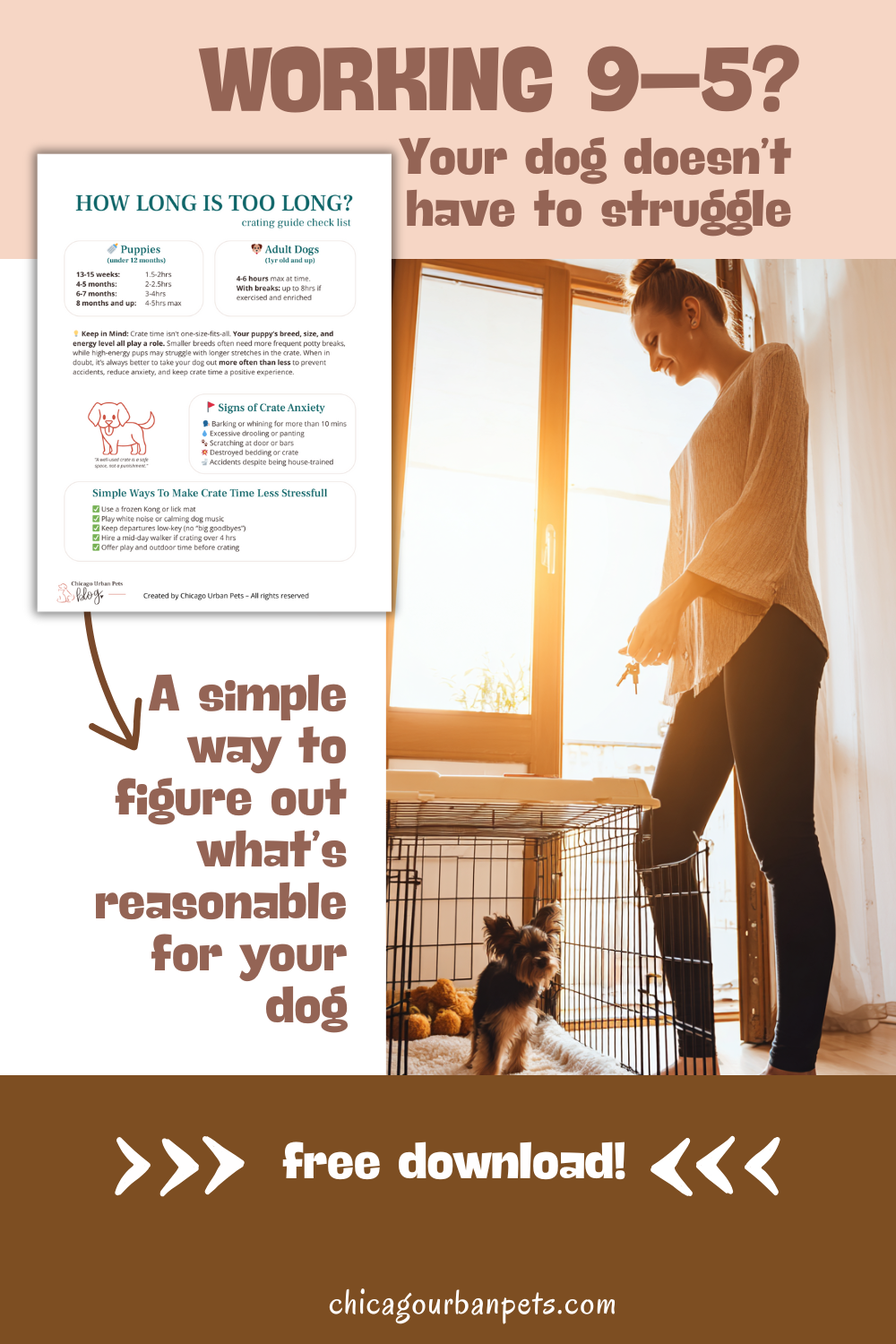
While naps are healthy, puppies shouldn’t be confined for hours without a break. A general rule of thumb is one hour per month of age (up to 5 hours max during the day). Always ensure they get potty breaks, play, and enough physical exercise between crate time. If you’re wondering, “Can I crate my puppy for a long time?”—you can, depending on their age and individual needs, but it’s best to use crate time for shorter time periods whenever possible.
Signs your puppy needs a break or extra rest
If your pup seems overtired (zoomies, biting, whining), they may need a scheduled nap. On the flip side, whining or barking in the crate may indicate they need a potty break or more stimulation. Gauge the amount of time your puppy spends awake to avoid overstimulation and promote mental stimulation.
Tips for Making Daytime Crate Naps a Success
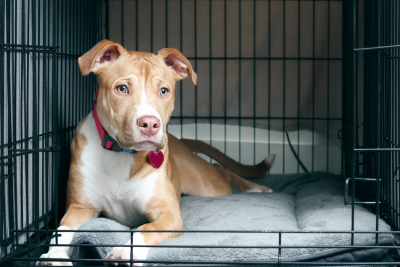
Setting your puppy up for daytime naps in the crate takes a mix of structure, comfort, and consistency. First things first: create a routine that aligns with your puppy’s natural sleep schedule. Ensure they’ve had plenty of physical exercise and mental stimulation before nap time so they’re more likely to settle quickly. Use positive reinforcement, like small food treats or peanut butter in an interactive toy (see amazon suggestion below), to encourage your pup to enter the crate willingly. Keep the crate in a quiet place—ideally the same area of your house each day—so it becomes a familiar nap zone. And don’t forget the details: a crate cover, a soft toy like a Snuggle Puppy, and a properly sized crate make all the difference.
Pro tip: Before a nap, a little physical exercise or mental enrichment—like a short visit to a safe, social setting—can help. But Are Dog Parks Good For Puppies? might surprise you with what to watch for.
Start with short sessions
Begin with just a few minutes and slowly increase crate nap time. This helps build comfort and trust for your new puppy. Crating a puppy during the day should feel like a good idea, not forced hard work.
Use cues and consistency
Say a calm phrase like “nap time” as you place your puppy in the crate. Use the same phrase daily to build a routine. Over time, your dog will associate crate time with rest and calm.
Monitor and adapt to your puppy’s preferences
Some puppies adjust quickly, others need more time. Watch your puppy’s body language and progress gradually. If they fall asleep in your lap, try gently moving them to the crate once they’re drowsy. Small food treats or a lick of peanut butter can help make crate time much fun.
If your puppy cries when you put them in their crate, it could mean they’re not quite ready, they need a potty break, or they’re simply overtired. Avoid letting them out while they’re crying—wait for a quiet moment to avoid reinforcing negative associations.
When Crating Might Not Be the Best Nap Option

While crate naps can be beneficial for many puppies, they’re not always the best choice. Some puppies may experience anxiety or develop negative associations if the crate is introduced too quickly or used for extended periods. Whining or restlessness can signal discomfort, boredom, or the need for a potty break. For puppies struggling with crate time, a gated safe area or shorter periods in a comfortable, enclosed space may be a better starting point. Every puppy is different, and learning to recognize their individual needs is an important part of building trust and healthy sleep habits.
If you’re unsure whether your puppy’s behavior is normal or need help establishing a comfortable routine, professional guidance can make a big difference. For Chicago pet parents, we recommend our trusted friends at Green Paws Chicago, who offer professional dog walking and pet care services to help support your puppy’s daily routine.

(When signing up, don’t forget to mention Chicago Urban Pets to support the blog and help us continue creating helpful content.)
Separation anxiety or crate aversion
Some puppies may associate the crate with stress. If your pup barks excessively or resists the crate despite positive training, consult a trainer or vet. It’s okay to experiment with puppy pens or alternative setups to avoid reinforcing social isolation.
FXW Homeplus Indoor Dog Playpen
Medical or physical needs that require alternative setups
Certain health issues or injuries may require alternative resting spaces like playpens or gated rooms.
Alternatives: puppy pens, supervised freedom
Pens offer a bit more room while maintaining boundaries. Supervised naps on the couch or bed are fine occasionally—just be sure your puppy can’t roam unsafely. Be flexible, especially in the first few weeks of bringing your puppy to their new home.
Tools and Gear That Help Crate Naps Work

Having the right tools makes crate naps easier for both you and your puppy. Start with a metal crate or plastic crate that’s the right size—not too big, not too small. A crate door that opens quietly and smoothly can help prevent startling your pup. Add a crate mat or orthopedic bedding to create a comfortable space. Include a soft toy or enrichment item to keep your pup calm and occupied. For anxious pups, a crate cover can make the space feel more secure. Using different sizes of interactive toys throughout the week keeps the crate experience fresh. These small additions go a long way in building positive experiences and encouraging good behavior.
I am listing the suggested items from Amazon for your convenience:
Amazon Basics 24-Inch Folding Metal Dog Crate
HOMBYS Dog Crate Bumper and Mat
KSIIA Washable Plush Dog Crate Bed
MidWest Homes for Pets 24-Inch Crate Cover
White noise machines and calming sprays
White noise can drown out background sounds and help your puppy settle. Dog-safe calming sprays, like those with pheromones, may also reduce crate resistance.
Pet cameras for peace of mind
If you’re away during nap time, a pet cam lets you check in and see how your puppy is adjusting. Some cameras include treat dispensers and two-way audio. For more peace of mind, consider using a crate with a camera inside.
Crate Cover
A crate cover helps transform your puppy’s crate into a cozy, den-like retreat. By reducing visual stimulation and blocking out excess light, it encourages relaxation and better naps—especially in busy households. Just make sure the cover is breathable and fits your crate style properly.
Realistic Expectations and Transitioning Out of Crate Naps

Crate napping isn’t meant to last forever. As your puppy grows and gains independence, you’ll gradually shorten crate time and expand where they can safely nap. Don’t expect your pup to nap in a closed crate the entire time every day—especially during early training. Instead, increase alone time slowly while keeping naps short and positive. Once your dog is reliably potty trained and able to rest without chewing or wandering, you can transition to dog beds in quiet areas. Following tips like offering plenty of exercise and sticking to a consistent routine will make this shift easier. Remember, crate naps are a tool—not a requirement—and adjusting as your puppy matures is part of the training process.
Puppies sleep a lot—but how much is too much? Why Does My Dog Sleep So Much? offers insight into normal vs. excessive sleep patterns.
Signs your puppy is ready for more freedom
If your pup consistently naps without chewing or potty accidents, it may be time to test more free time outside the crate. Look for longer stretches of dog sleep without disruptions.
Gradually shifting to naps outside the crate
Let your puppy nap nearby on a dog bed with supervision. Build up time outside the crate and see how they respond. You can even alternate crate naps with dog bed naps to ease the transition. Keep in mind that adult dogs and older dogs still benefit from a safe area they can retreat to.
Still use the crate as a safe retreat
Even if your dog no longer naps in it daily, the crate should remain available as a secure spot for quiet time or overnight rest. Puppies benefit from knowing they always have a place to relax—especially during nap times or alone time.
Crates = good habits
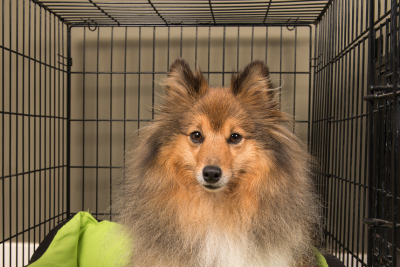
Daytime crate naps can be a powerful tool in your puppy’s development—supporting rest, structure, and potty training while helping you maintain peace of mind. While every dog is different, most thrive with the comfort and routine that crates provide. Crate napping plays a huge role in establishing boundaries and supporting your puppy’s growing independence.
Observe your puppy’s behavior, ensure plenty of exercise and quiet time, and adapt to what works best. If you’re asking, “Should my puppy nap in his crate during the day?”—the answer is often yes, but it depends on your dog’s needs and your family routine.
And if you’re looking for tools to support crate training or daily care while you’re at work, check out Green Paws Chicago—our trusted partner in pet care.
If you’re based in Chicago, we recommend Green Paws Chicago for compassionate, professional dog walking. They’re a trusted local service that helps your dog stay active and social even while you’re away.
(When signing up, don’t forget to mention Chicago Urban Pets to support the blog and help us continue creating helpful content.)